
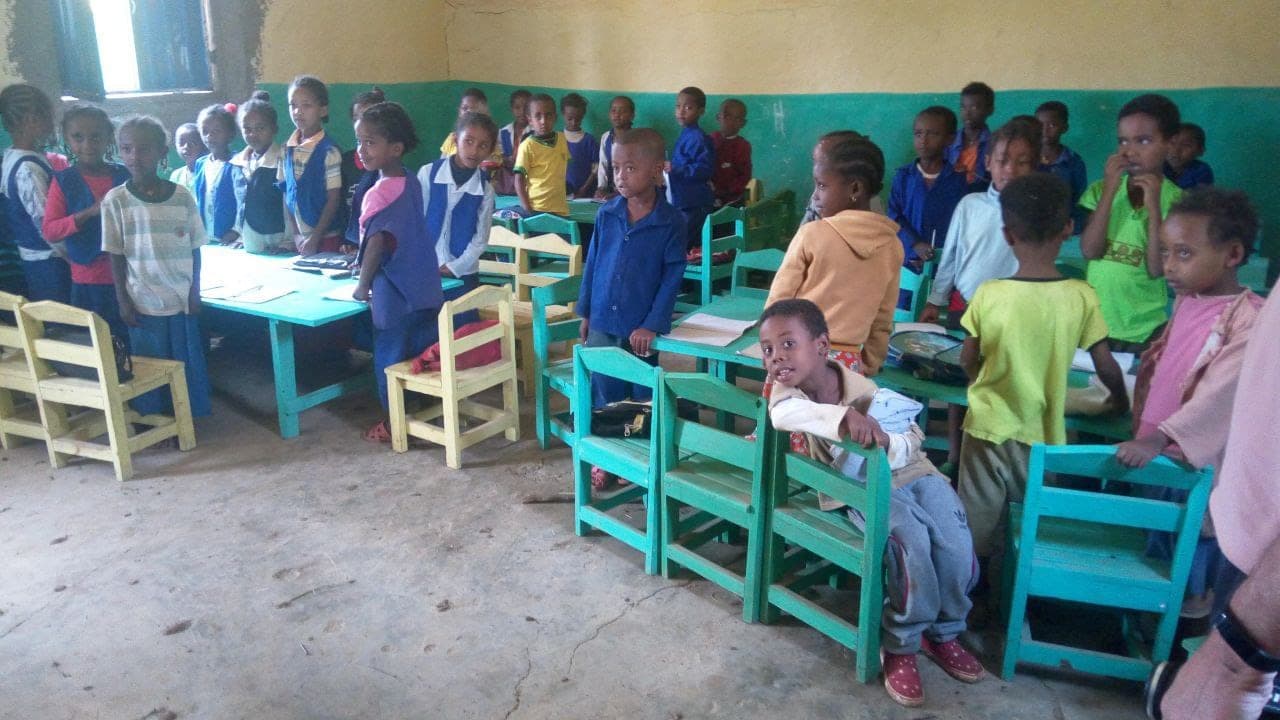
Education Support
Uniforms, school materials, tutorials and kindergarten classrooms so no child drops out for lack of means.
Learn more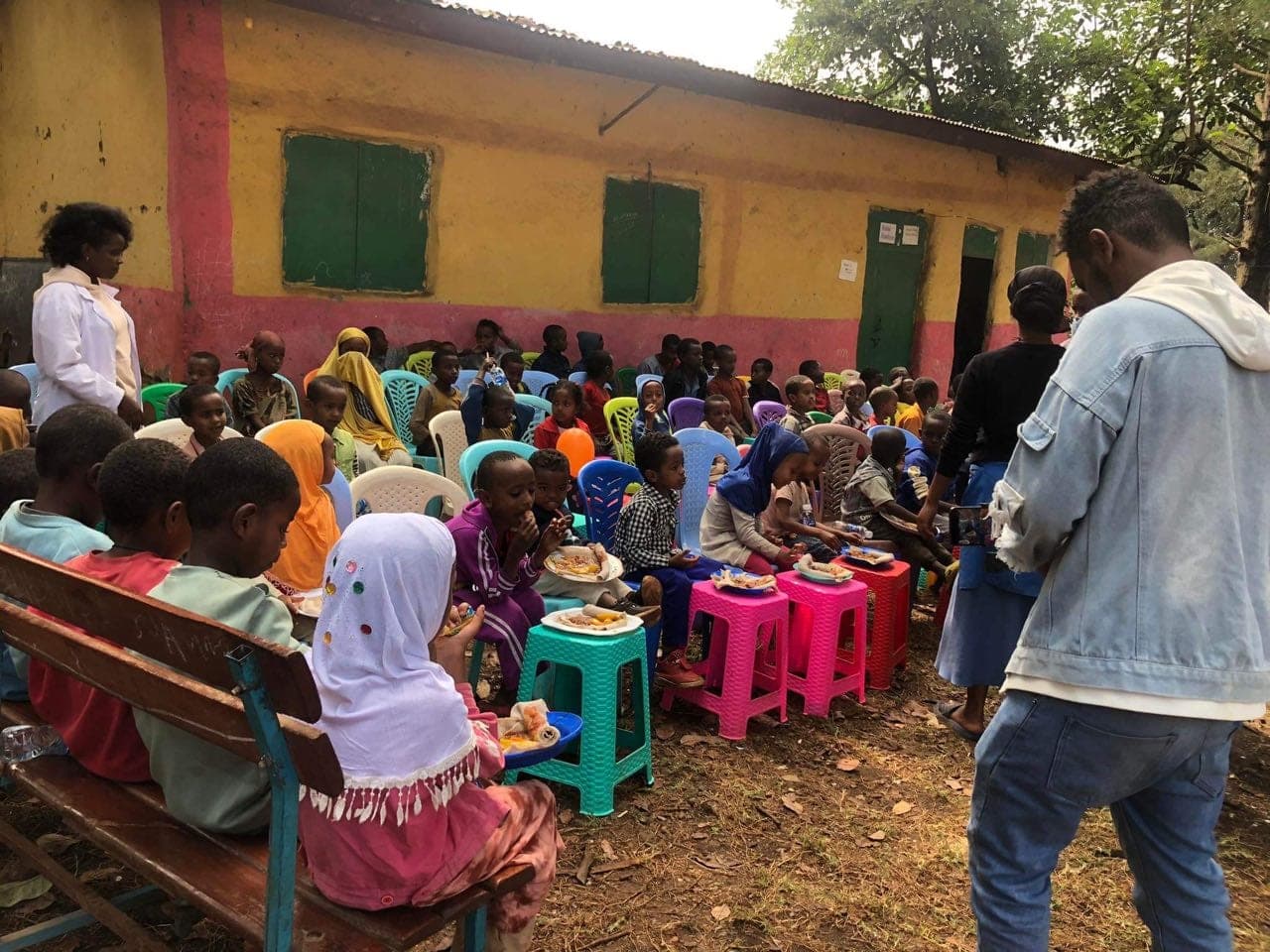
What we do
We support highly vulnerable children — orphans, children living on the street, children affected by HIV, children with disabilities and girls at risk — together with their mothers and guardians. Our approach is community-based, family-centred and built to last.
Government primary schools are the only education most of our children can afford, so we deliver support where they already are — in school compounds, with teachers and parent committees.
Trained community volunteers, community committees, kebele offices and Idirs identify children, make home visits and keep every family connected to services.
A child cannot thrive while a mother is destitute. Livelihood training, saving groups and container shops let mothers provide for their own children.
Every project has a phase-out plan: income-generating assets, savings groups and trained committees that continue after external funding ends.
What we do
Vulnerability rarely has one cause, so our support does not have one shape. Each programme area answers a need we have seen up close in Jimma's public schools and neighbourhoods.
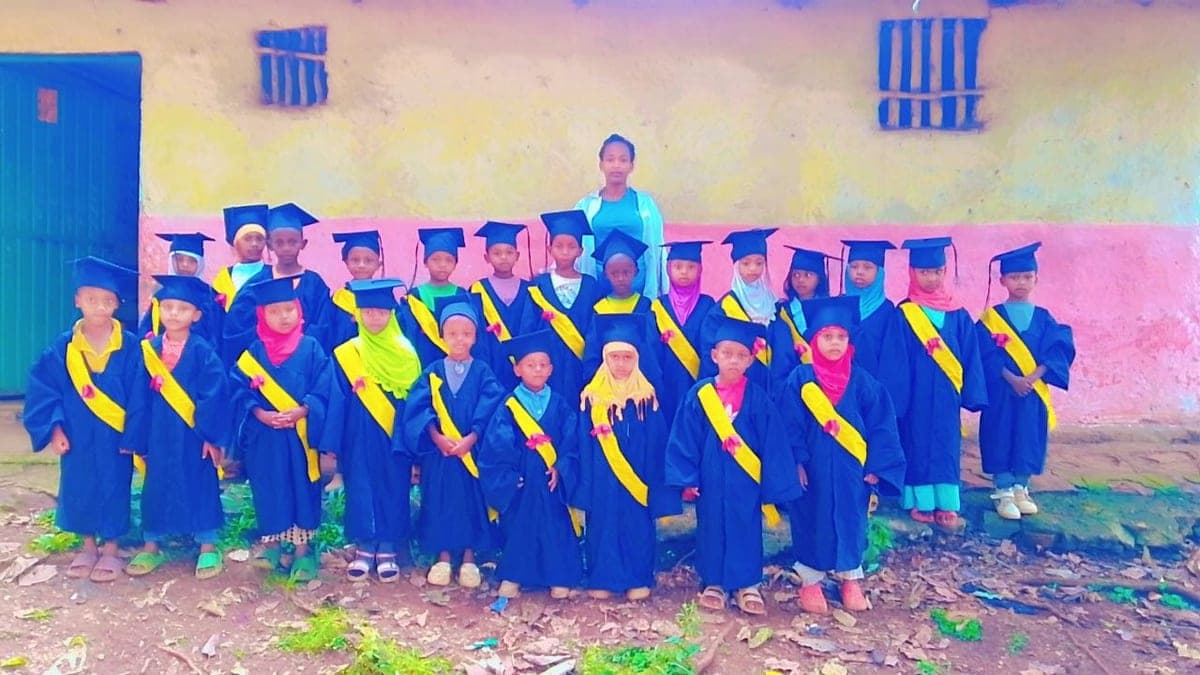
Uniforms, school materials, tutorials and kindergarten classrooms so no child drops out for lack of means.
Learn more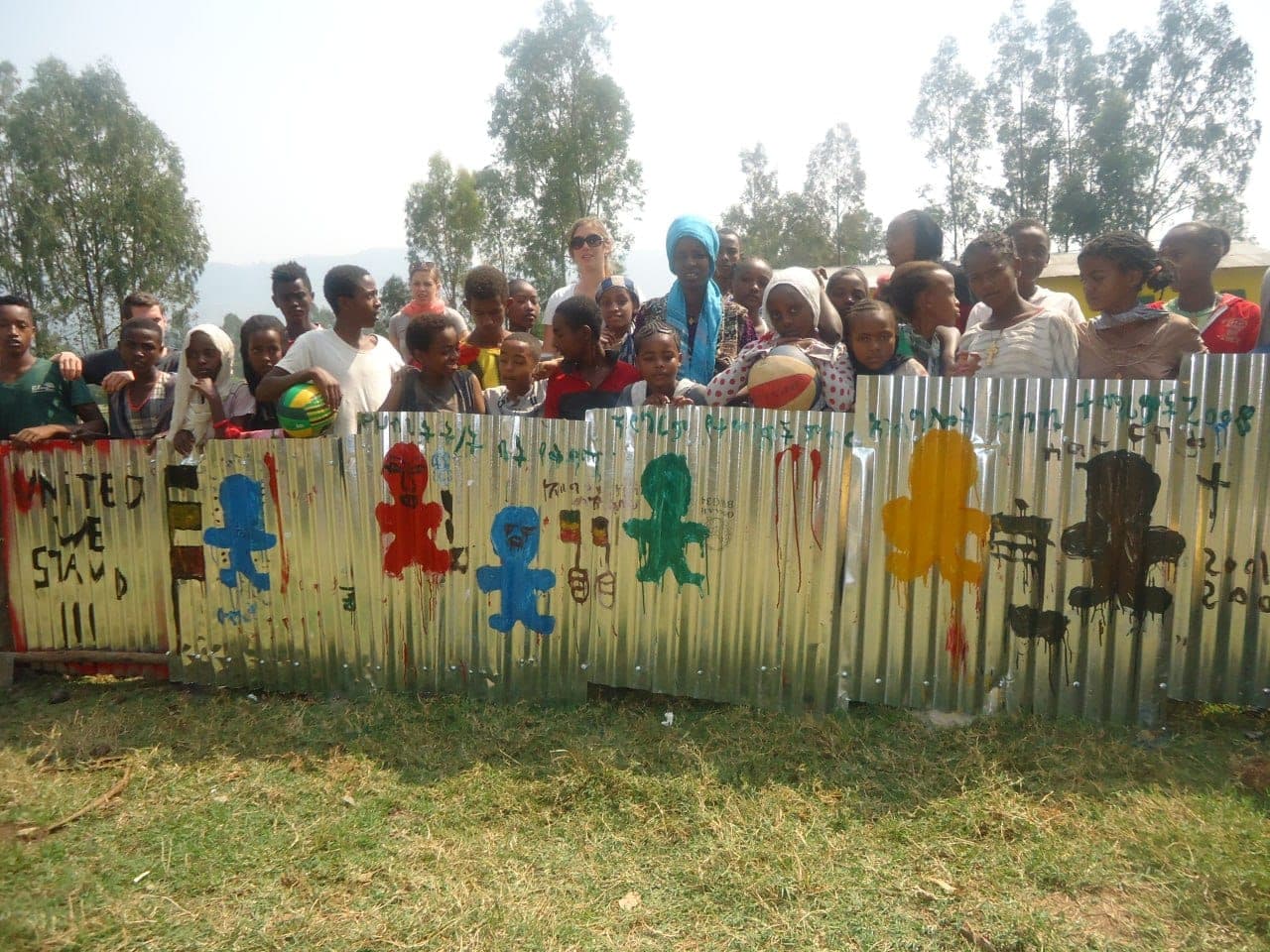
Guidance, counselling, life skills and school gender clubs for children carrying more than they should.
Learn more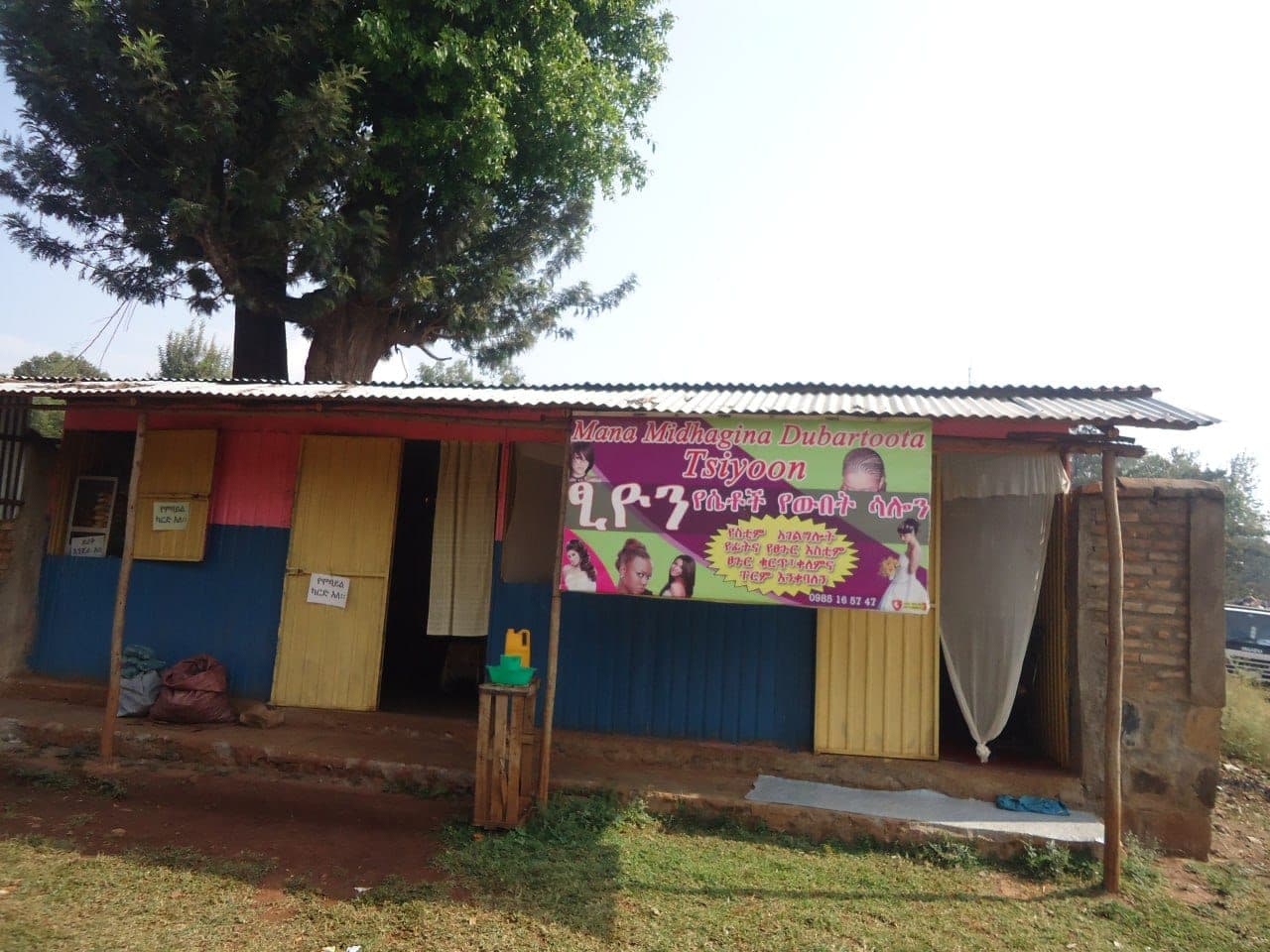
Container shops, saving groups and business skills so mothers can pay for their children's needs themselves.
Learn more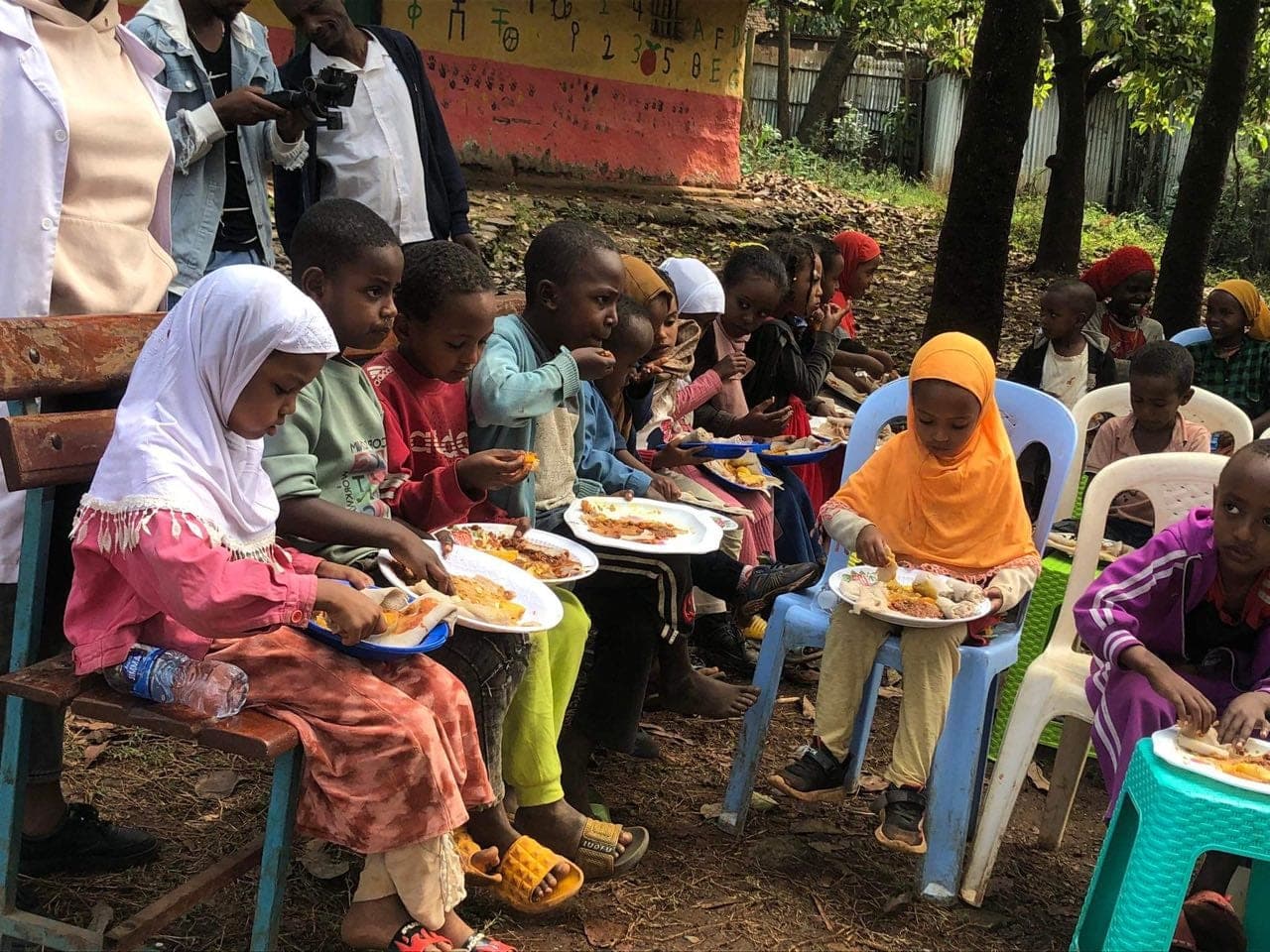
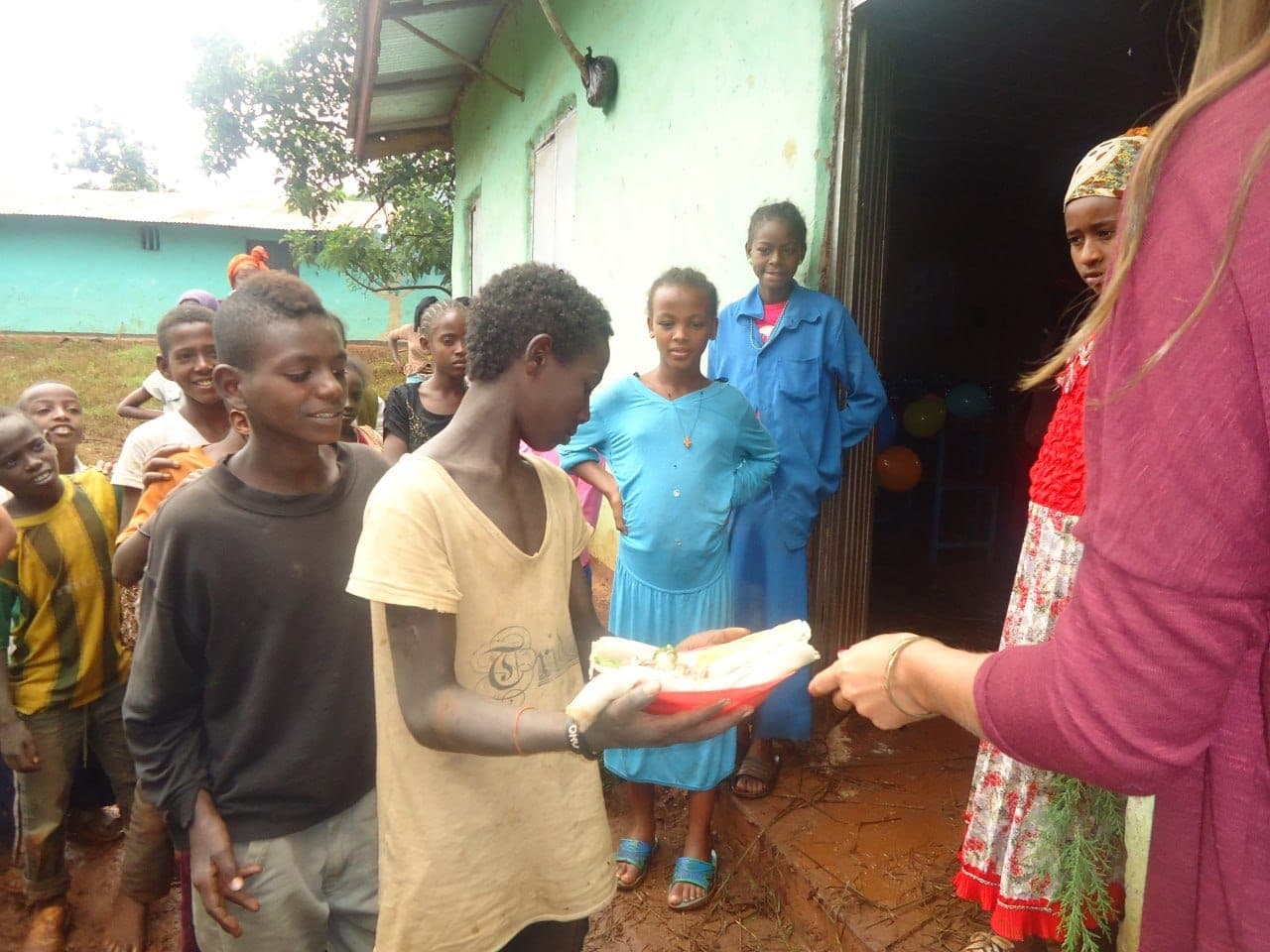
School meals, emergency food support and health referrals for children and families affected by HIV.
Learn more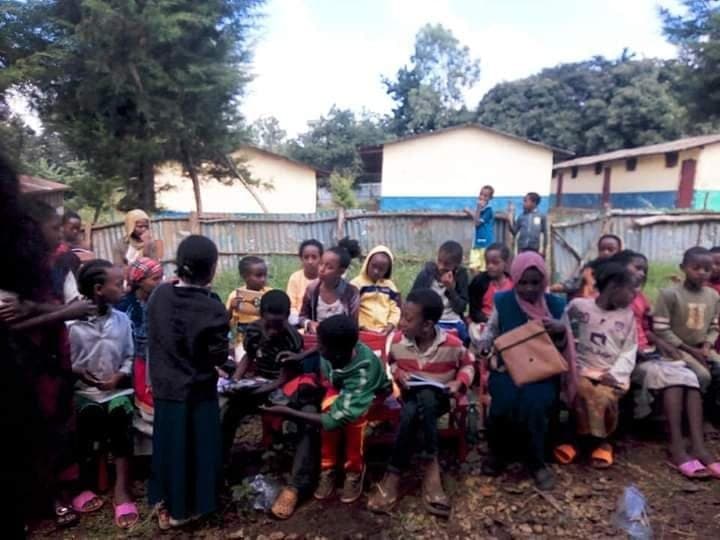
Birth certificates, abuse prevention and legal information for children at risk, especially girls.
Learn more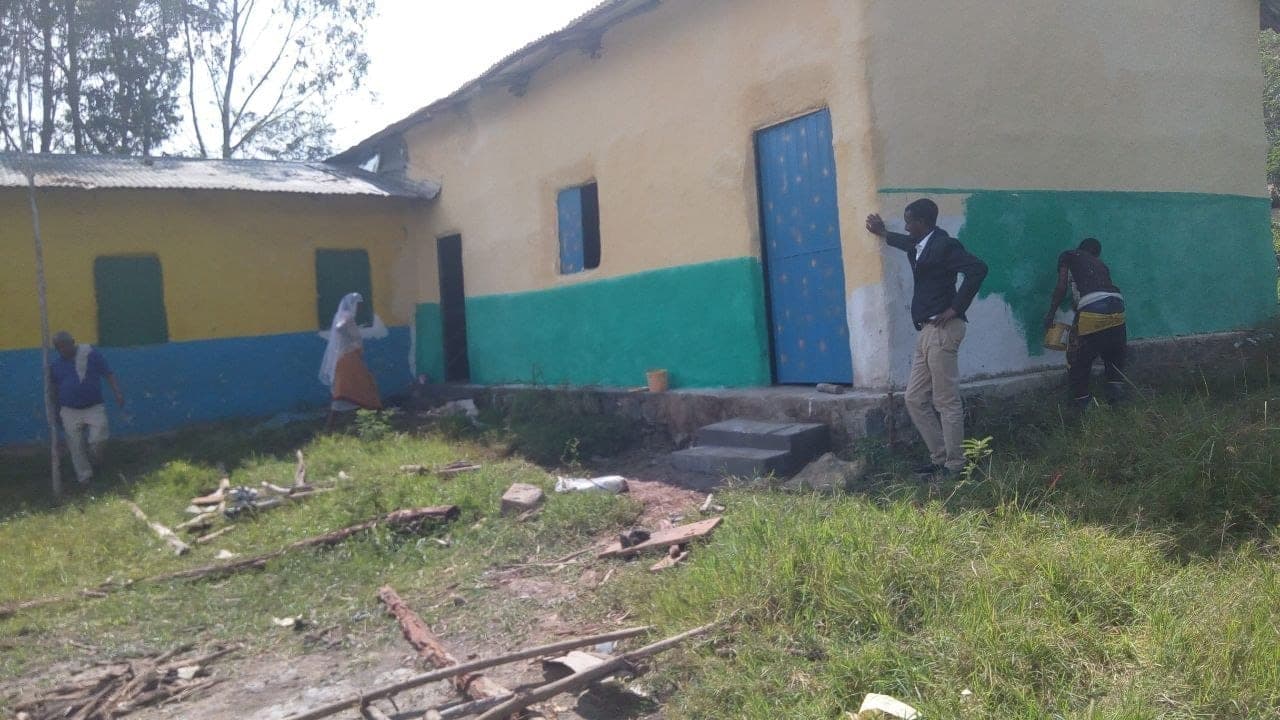
Trained volunteers, community committees and safer homes — the structure that keeps care going.
Learn moreFuture project · 2026
When Ende Enat was registered we proposed to work in both Jimma and Addis Ababa. Limited resources kept our programmes in Jimma — but the need in the capital has only grown. In Addis Ababa's streets we see very young children accompanying mothers who beg, gradually becoming accustomed to street life instead of school.
Beginning in 2026 (2019 E.C.) we are establishing an office in Addis Ababa and starting in the Asko and Addis Sefer areas. The goal is simple and long-term: help children move from street life and begging toward education, protection and dignity, while their mothers become economically self-reliant.
Short answers about who we help, how children are selected and how our programmes are run.
Ende Enat supports highly vulnerable children in Jimma, Ethiopia — orphans, children living or working on the street, children and mothers affected by HIV, children with disabilities and girls at risk of abuse, early marriage or dropping out — together with their mothers and guardians. From 2026 the same support begins for children on the streets of Addis Ababa.
Children are identified through the public primary schools we work in, kebele (neighbourhood) offices, Idirs and trained community volunteers who make home visits. Community committees in each kebele verify each family's situation before support starts, and volunteers follow up weekly.
Six connected programme areas: education support (uniforms, school materials, tutorials, kindergarten classrooms); psychosocial support and counselling; livelihoods for mothers (container shops, saving groups, business skills); health and nutrition (school meals, emergency food, health referrals); child protection and legal support (birth certificates, abuse prevention); and community volunteers and shelter.
We build small container shops — coffee corners, hair salons and school-supply kiosks — inside school compounds and hand them to organised groups of mothers of vulnerable pupils. Community self-help saving groups, basic business training and matching funds help the groups grow into small enterprises linked to microfinance institutions.
Every project has a phase-out plan. Income-generating assets such as container shops, saving groups and trained community committees stay with the community and continue after external funding ends, so the support does not stop when a grant does.
Beginning in 2026 (2019 in the Ethiopian calendar) Ende Enat is opening an office in Addis Ababa and starting work in the Asko and Addis Sefer areas: identifying very young children who spend their days on the streets with their mothers, enrolling them in school, meeting basic needs and giving their mothers a sustainable livelihood.
Support
Ende Enat is funded by partners and private individuals from Ethiopia and around the world. Every contribution goes to uniforms, meals, counselling, medicine and start-up capital for mothers — with lean administration and full transparency.